Ashma 5 - Lapis Lazuli 1 & 2 (diptych)
120 × 90cm (each)
Acrylic inks, mixed media on linen
Please email artstudio.aparna@gmail.com for enquiries.
Ashma explores the overlooked beauty of stone, revealing the remarkable diversity of colours, textures and mineral patterns concealed within a material often perceived as uniformly grey.
Drawing inspiration from the natural variations found across rock surfaces and within their mineral structures, I work with limestone, natural mineral pigments and acrylics to translate these observations into abstract compositions. Stone becomes both the subject and the material through which I explore its visual richness.
Lapis lazuli, a deep blue stone historically used to produce the precious pigment ultramarine, exemplifies this relationship between geology and art. Originating primarily from the mountains of Afghanistan, it travelled along ancient trade routes and became one of the most valued pigments of the Renaissance. Its history reflects how stone carries not only colour, but also cultural and artistic significance.
Through Ashma, I seek to draw attention to the extraordinary qualities of stone, inviting a closer appreciation of its natural beauty, material complexity and enduring relationship with art.
Back to Ashma | « Ashma 4
Ashma 5 - Lapis Lazuli 1 & 2 (diptych)
120 × 90cm (each)
Acrylic inks, mixed media on linen
Please email artstudio.aparna@gmail.com for enquiries.
Ashma explores the overlooked beauty of stone, revealing the remarkable diversity of colours, textures and mineral patterns concealed within a material often perceived as uniformly grey.
Drawing inspiration from the natural variations found across rock surfaces and within their mineral structures, I work with limestone, natural mineral pigments and acrylics to translate these observations into abstract compositions. Stone becomes both the subject and the material through which I explore its visual richness.
Lapis lazuli, a deep blue stone historically used to produce the precious pigment ultramarine, exemplifies this relationship between geology and art. Originating primarily from the mountains of Afghanistan, it travelled along ancient trade routes and became one of the most valued pigments of the Renaissance. Its history reflects how stone carries not only colour, but also cultural and artistic significance.
Through Ashma, I seek to draw attention to the extraordinary qualities of stone, inviting a closer appreciation of its natural beauty, material complexity and enduring relationship with art.
Back to Ashma | « Ashma 4

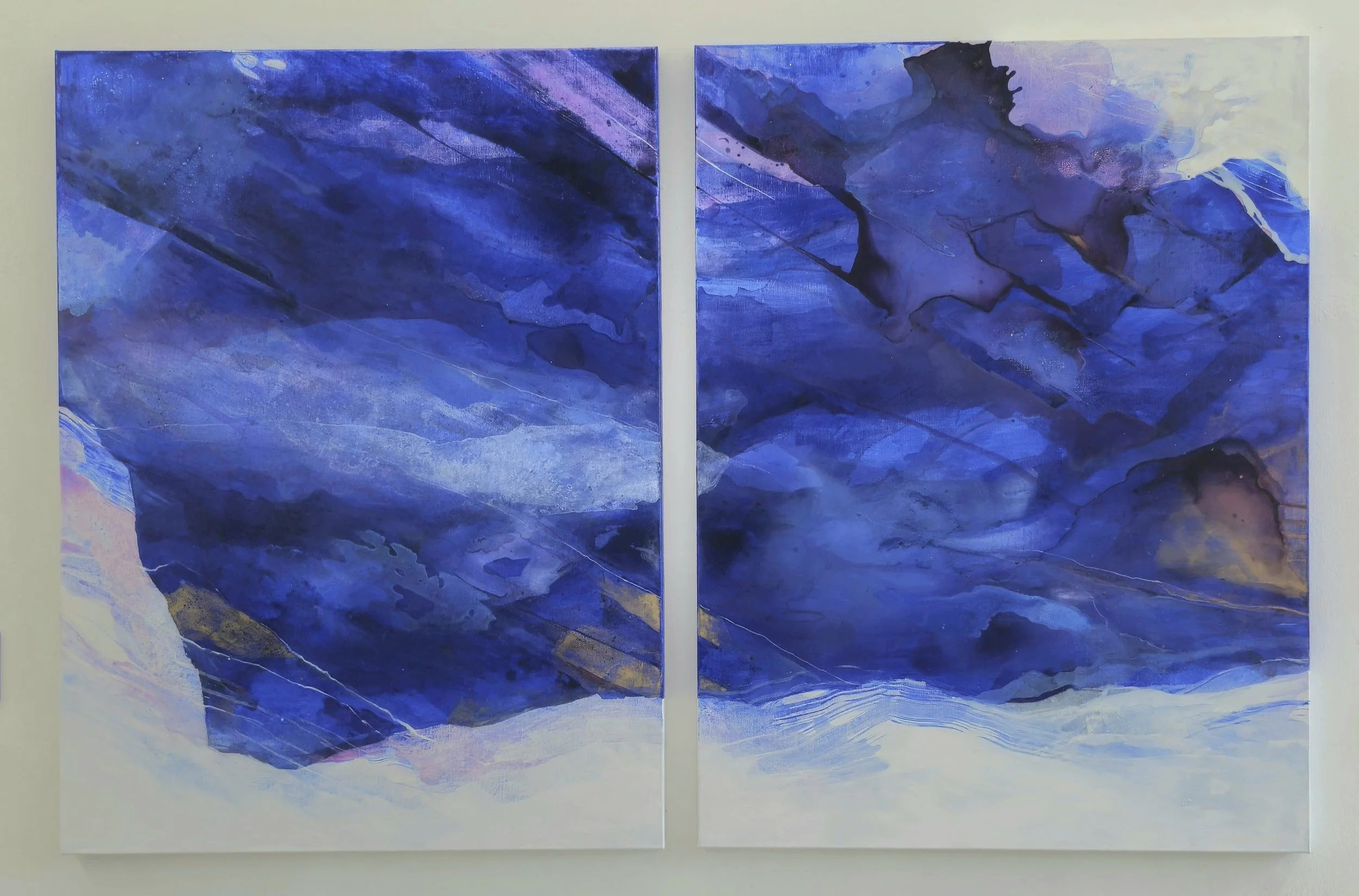 Image 1 of 5
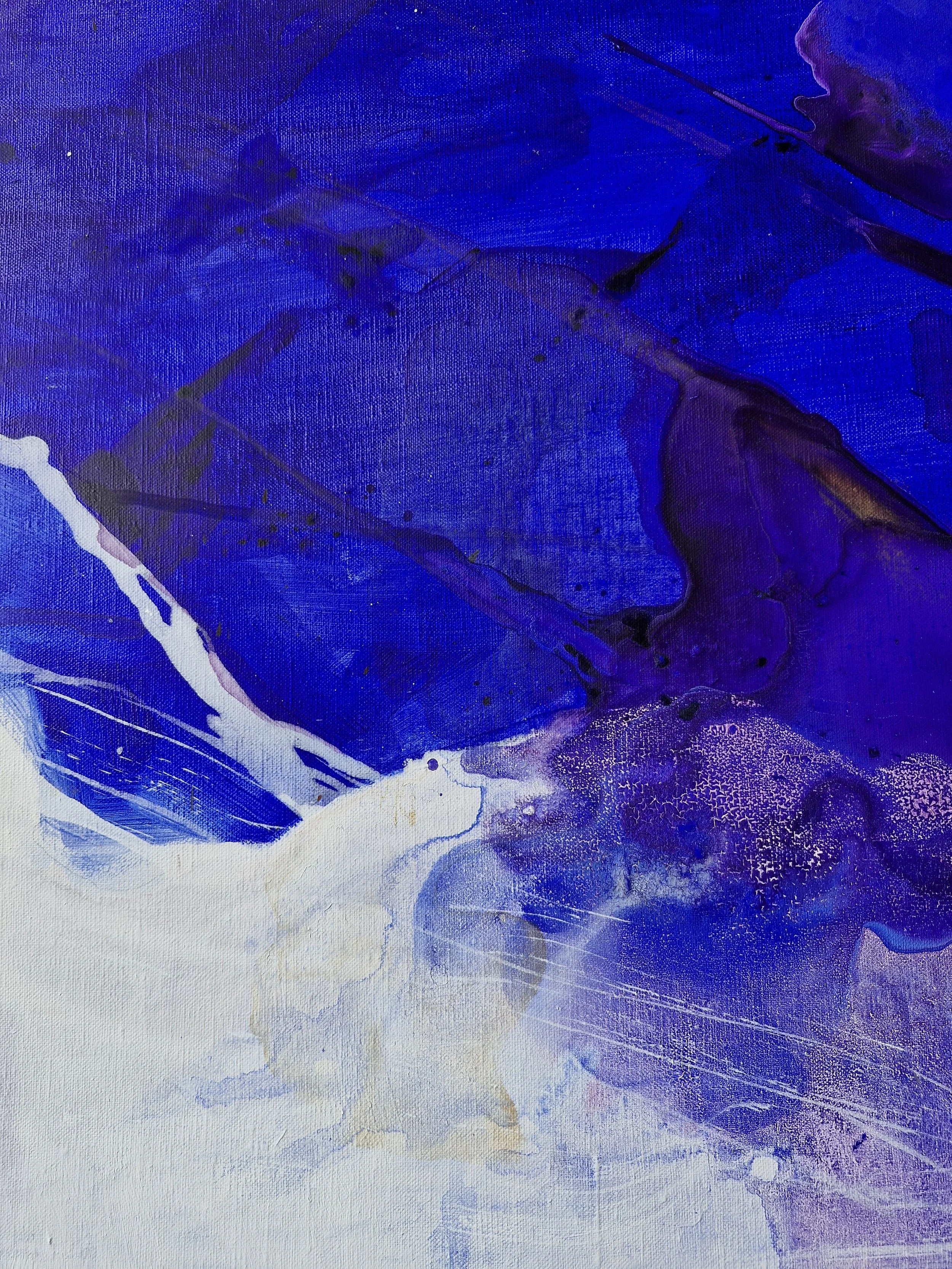 Image 2 of 5
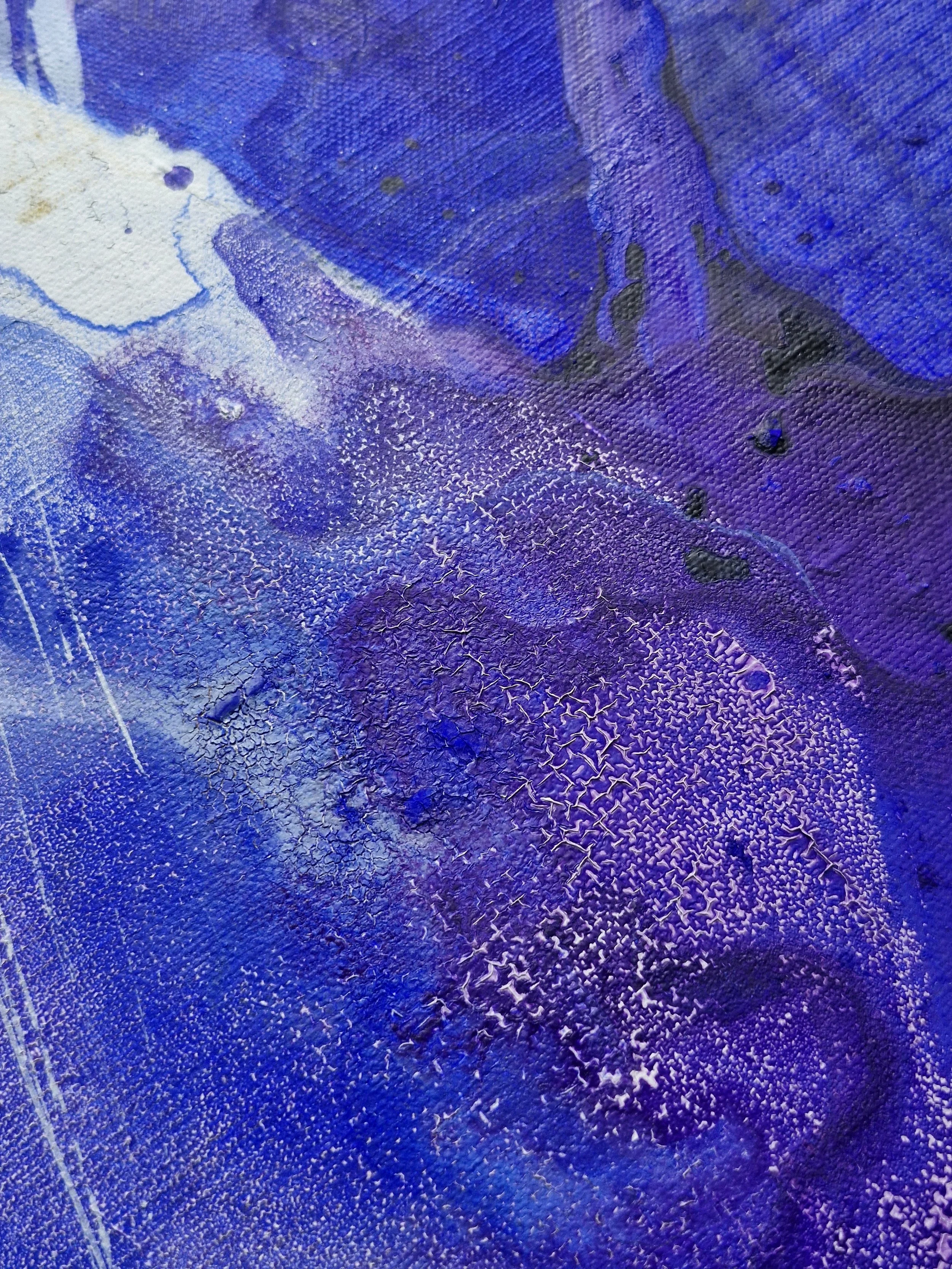 Image 3 of 5
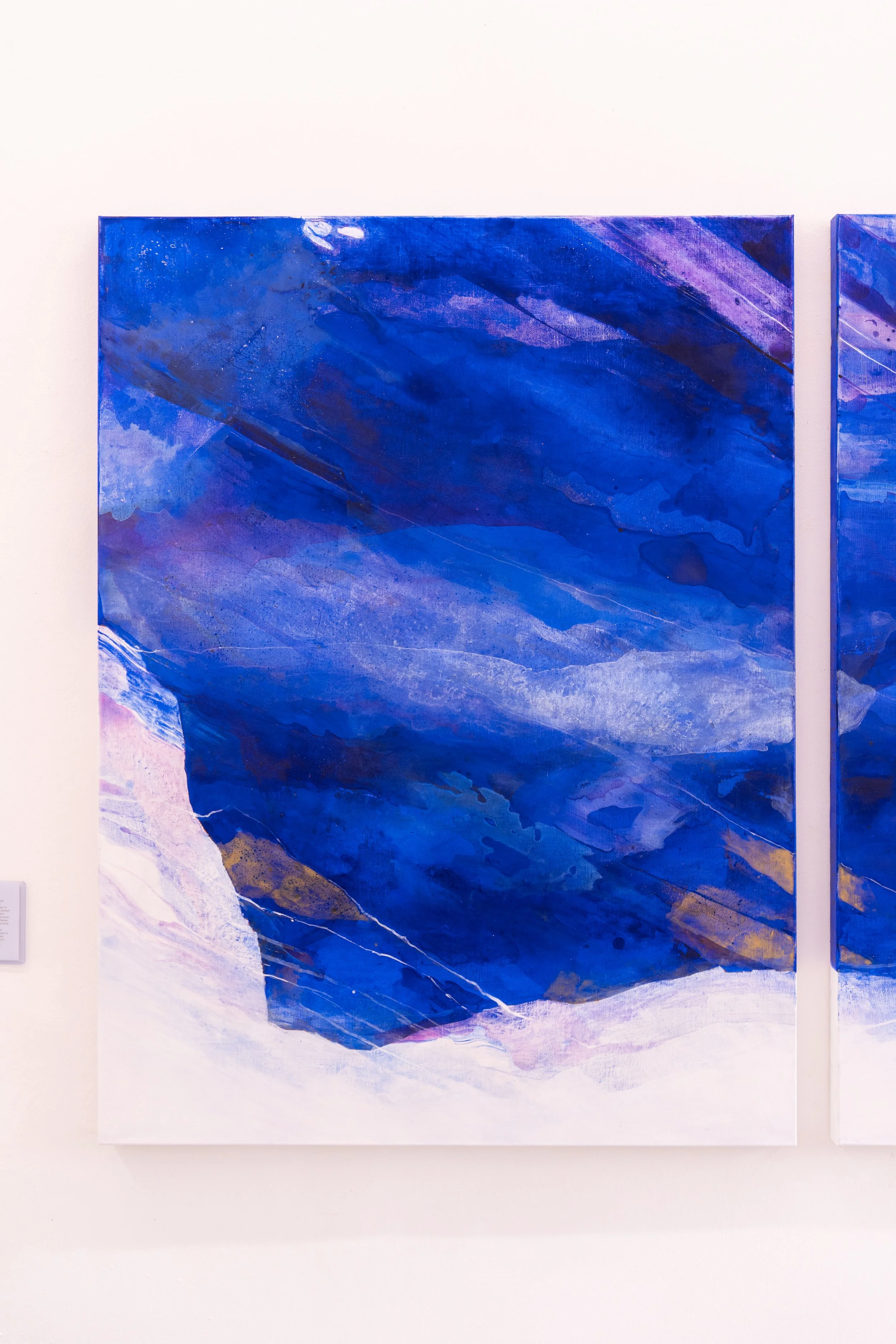 Image 4 of 5
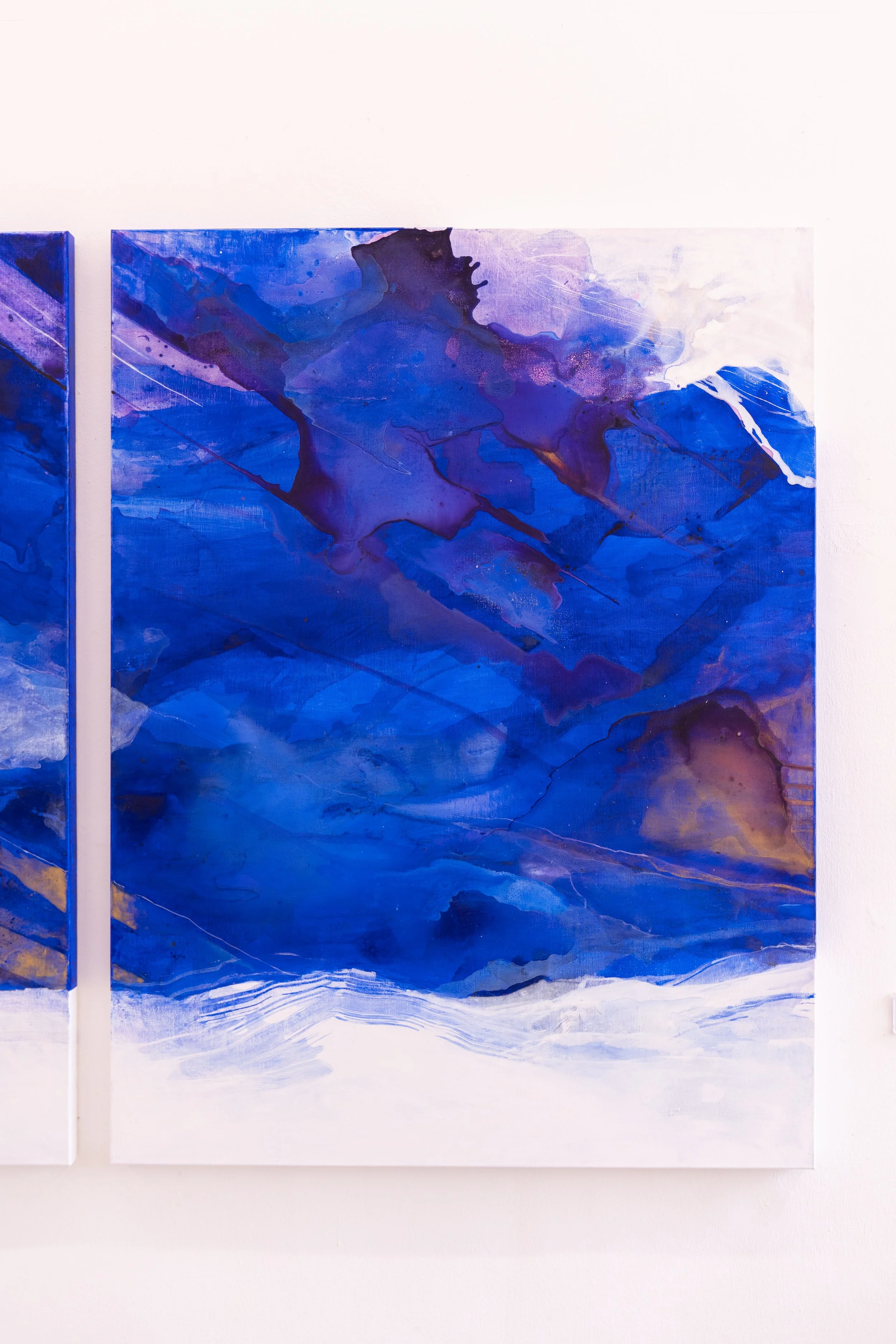 Image 5 of 5